Physical Address
304 North Cardinal St.
Dorchester Center, MA 02124
Physical Address
304 North Cardinal St.
Dorchester Center, MA 02124
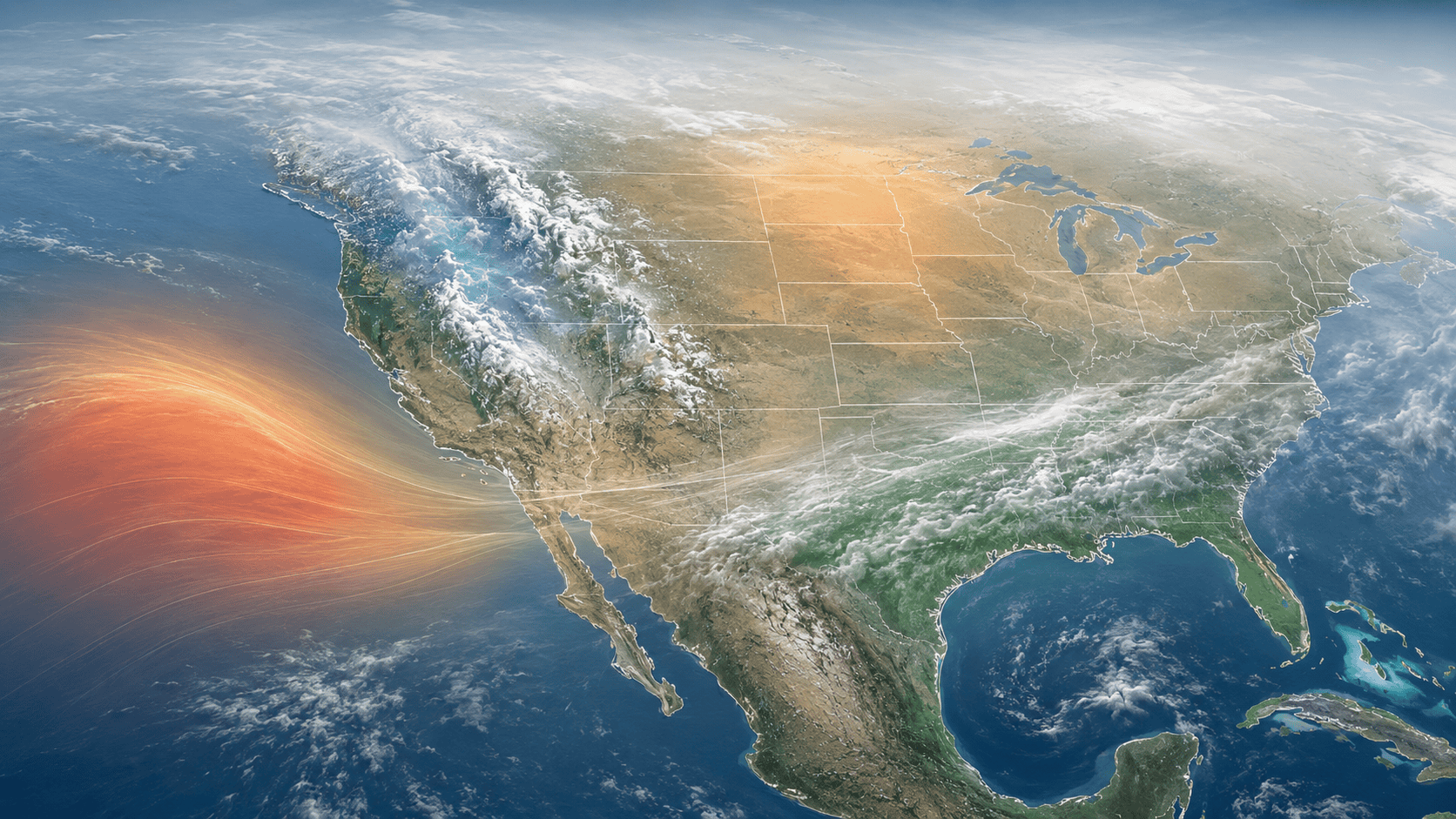
NOAA has officially confirmed that an El Niño has formed in the Pacific, and the agency puts the odds at 63 percent that it intensifies into one of the largest such events on record, going back to 1950. As Seth Borenstein reports for The Associated Press, meteorologists expect it to rival or exceed the 1997 event – a benchmark that produced billions of dollars in damage from heat waves, floods, droughts, tornadoes, and wildfires. El Niño is a natural cycle, not a storm; it is a re-sorting of the planet’s weather, and the re-sorting is uneven.
For a footprint that runs from the Gulf Coast to the Front Range, the unevenness is the story. El Niño typically suppresses Atlantic hurricane activity without eliminating it – a measured reprieve for Naples and Orlando, where Florida’s windborne-debris design standards exist precisely because the average year cannot be trusted, and for the coastal Northeast corridor as well. The pattern’s flip side is heavier rainfall and more intense storms across the South, which in San Antonio means both stress on drainage and the genuine prospect of relief for the Edwards Aquifer levels that govern the city’s tiered watering restrictions. And in the Rockies and Southwest, where forecasters describe the current snow drought as off the charts, strong summer rains may finally arrive – welcome news along a Front Range that just recorded one of its worst snowpack years in history.
The thread connecting these forecasts is volatility, and volatility is fundamentally a design problem. Outdoor spaces engineered to an average year – average rainfall, average wind, average sun – are precisely the spaces that ENSO cycles expose. It is the reason Backyard Paradiso builds to each market’s documented extremes rather than its brochure climate, from drainage-first hardscape in storm-fed regions to engineered shade and enclosure where the heat arrives early and stays late.
There is more in the full report worth sitting with: forecasters expect this El Niño to peak a month or two earlier than usual and potentially last longer, several climate scientists project 2027 as the hottest year on record because of the event’s lagging effects, and a Stanford economist notes clear evidence that the U.S. economy slows when temperatures run above normal. For a national picture of the year ahead, it merits the full read.