Physical Address
304 North Cardinal St.
Dorchester Center, MA 02124
Physical Address
304 North Cardinal St.
Dorchester Center, MA 02124
The Front Range has spent a generation learning to live within a water budget. Denver receives roughly 14 to 15 inches of precipitation in an average year, Colorado Springs slightly more, and both cities operate under utility frameworks built around conservation rather than abundance. Into that arithmetic now arrives a new class of customer.
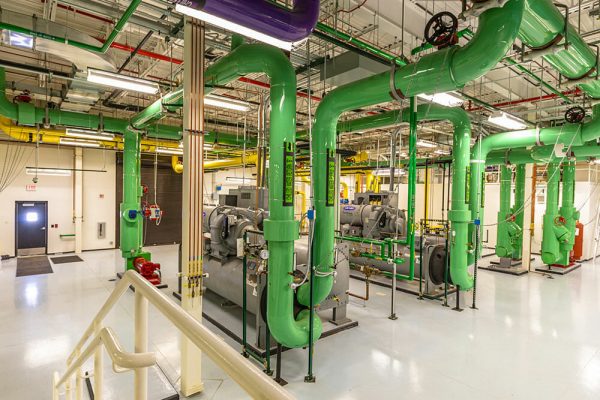
As Shannon Mullane reports for The Colorado Sun, Colorado currently hosts about 56 data centers – 47 in the Denver area and six in Colorado Springs – with a hyperscale facility under construction in Aurora, and the artificial intelligence boom is driving proposals for many more.
The water story is larger than the cooling towers. Mullane’s reporting walks through the full accounting: on-site water use at data centers across five Western states, Colorado among them, could grow by roughly 21,600 acre-feet by 2035 – but once the water consumed by the power plants feeding those facilities is counted, the figure swells past 89,700 acre-feet. One acre-foot supplies two to four households for a year. Water policy advocates quoted in the piece warn that agriculture, already the state’s largest water user, stands to absorb the deepest cuts and that data center growth may accelerate the buy-and-dry pattern that converts irrigated farmland into dry ground.
For homeowners along the Front Range, the relevance is direct. Residential landscape irrigation is where state water policy meets the property line, and every major new demand on the system sharpens the scrutiny applied to outdoor water use. Denver Water has already moved from emergency drought response to permanent demand management, with seasonal watering limits and active promotion of water-wise landscape over high-consumption turf. Colorado Springs Utilities guards its surface water rights carefully while the Denver Basin aquifers beneath Black Forest and Flying Horse – fossil water with minimal recharge – continue their slow decline. The estates of Cherry Hills Village, the Broadmoor, and the Old North End were largely designed in an era of irrigated bluegrass; the era now arriving will reward landscapes engineered for a state where every acre-foot is contested. It is a shift Backyard Paradiso has treated as foundational rather than fashionable – artificial grass installation has long anchored the firm’s outdoor living work across both Front Range markets, precisely because the water mathematics of this region were never going to move in turf irrigation’s favor.
The Sun’s explainer goes considerably deeper – into the cooling technologies that determine how much water a facility actually consumes, the negotiating principles the Colorado Public Utilities Commission has set for utilities courting data center developers, and the competing bills now moving through the state legislature. For anyone tracking where Colorado’s water goes next, it merits the full read.